Lupins at Sawdon – March 2014
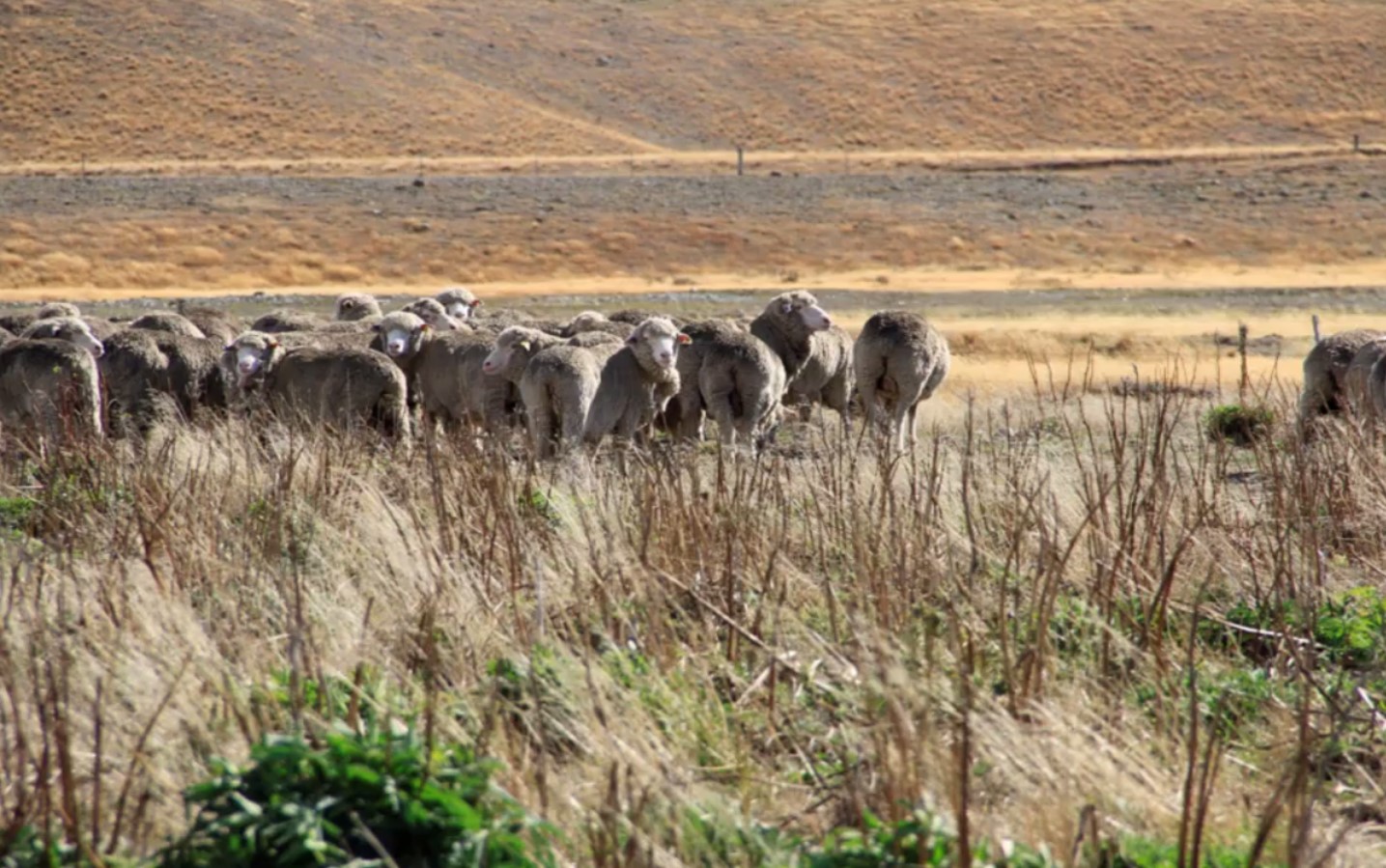
We’ve put up a new video post, narrated by PhD student Travis Ryan-Salter, which outlines the March lupin harvest at Sawdon Station (13 minutes).
We’ve put up a new video post, narrated by PhD student Travis Ryan-Salter, which outlines the March lupin harvest at Sawdon Station (13 minutes).
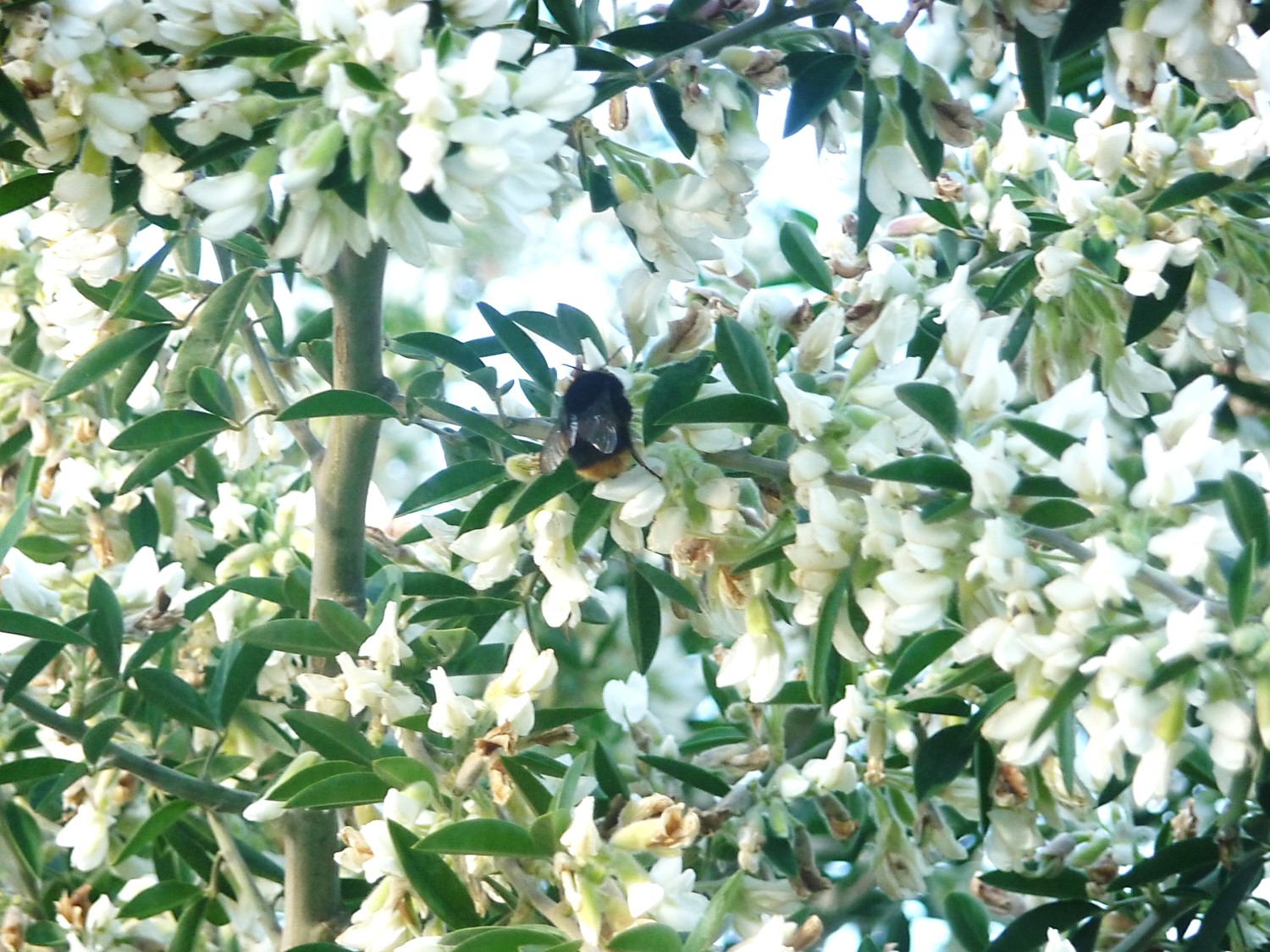
Posted on behalf of Dick Lucas We used to refer to Tagasaste (Chamycytisus palmenta) as ‘tree lucerne’ but in fact this woody legume has few similarities to lucerne (Medicago sativa; alfalfa). The Spanish name ‘tagasaste’ helps avoid making false assumptions about its management needs. For instance, in contrast to lucerne, tagasaste does not need lime … Read more

Posted on behalf of Dick Lucas The recent early autumn, record rain in North Canterbury and other east coast areas will give perfect conditions for an early flush of sub clover seedlings in dryland pastures. In milder coastal areas and north hill faces, if sub clover/grass pastures have an average of 10 sub seedlings per … Read more
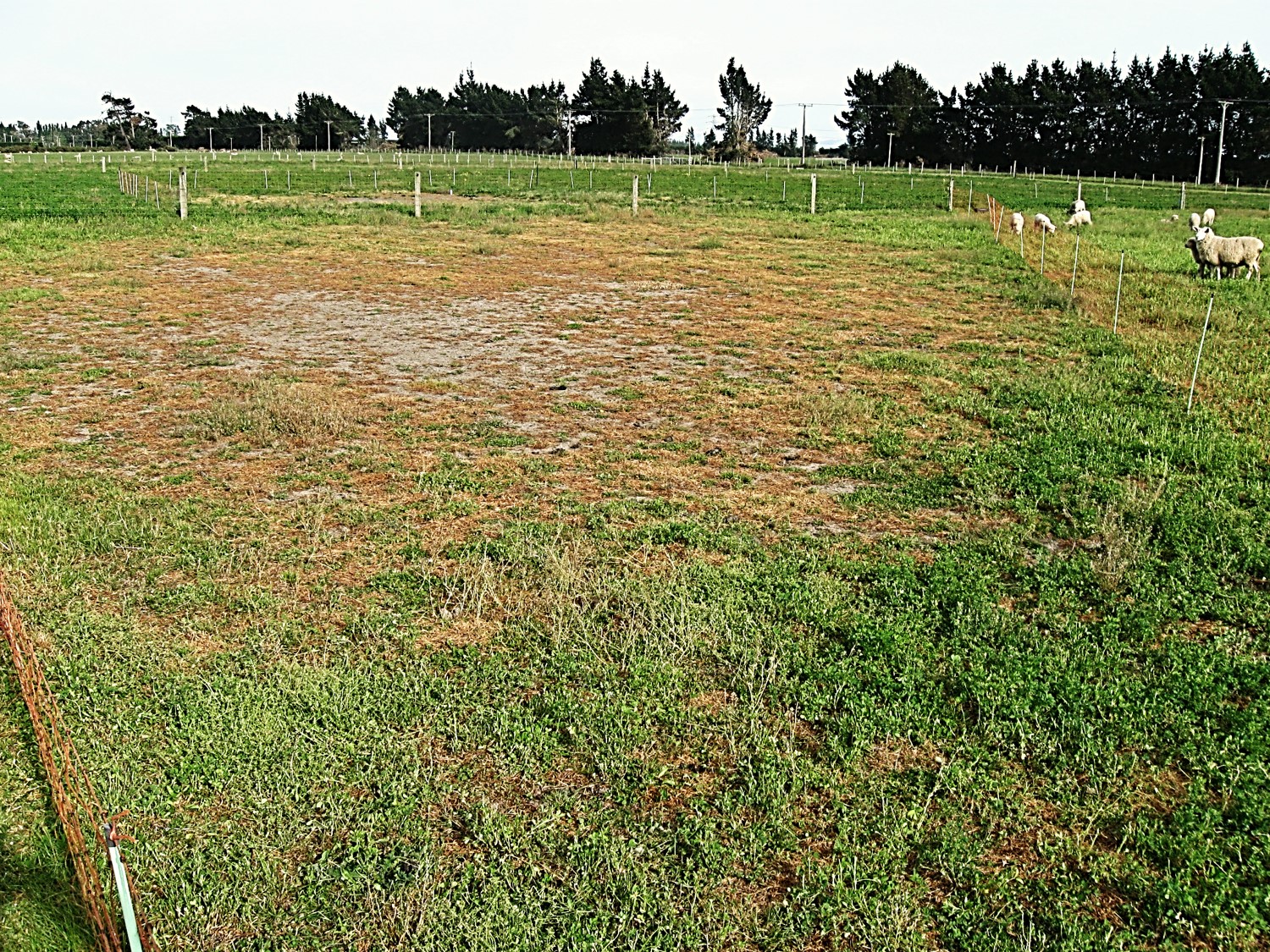
Post prepared by Prof. Moot, summer scholar Rebekah Brosnahan and Anna Mills Many dryland regions of New Zealand experience heavy winter rainfall that can cause periodic waterlogging in paddocks. Lucerne is more sensitive than ryegrass under flooding and this is sometimes cited as a reason not to sow lucerne in a paddock. However, after a … Read more
The latest video blog from the mid-January harvest of the lupin grazing experiment at Sawdon Station. Dr Alistair Black and PhD student Travis Ryan-Salter from Lincoln University discuss grazing preference and dry matter yields, whilst comparing growth characteristics to last year’s results. Check out the video below (11 min).
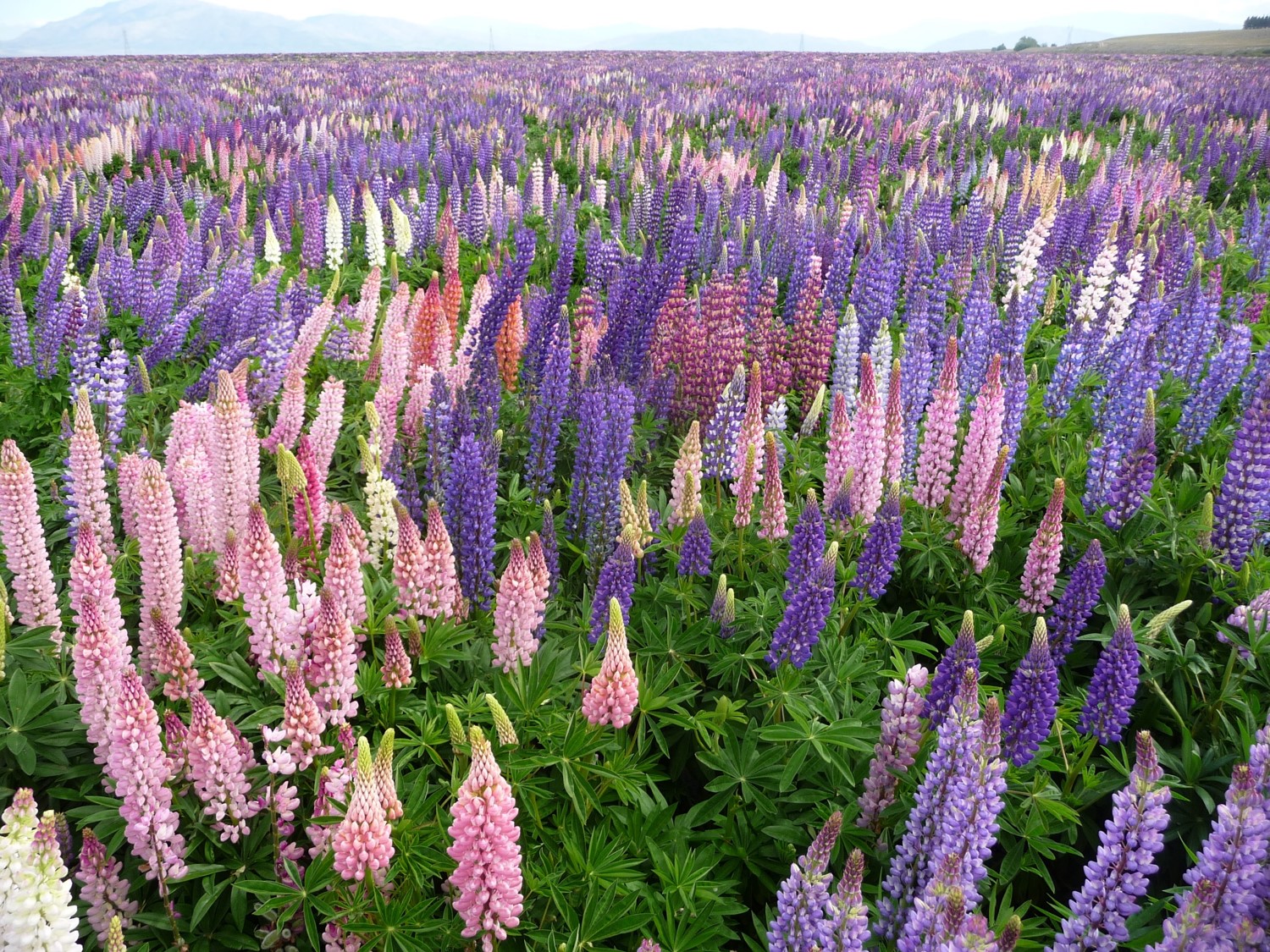
Dr Alistair Black and Travis Ryan-Salter discuss changes in stock management at the mid-December harvest of the lupin grazing experiment at Sawdon Station in our latest video blog. Dry matter yields, lupin establishment and management are discussed. View the video below (13 min).

It’s been a successful spring at Bonavaree! Early spring had been fairly wet and so early spring growth was relatively slow. Although soil conditions are now perfection for Lucerne, and Fraser had seen a notable shift in gear in the lucerne stands, with a flush of feed evident. See photos below of Jeffries Front Flat … Read more

We have just completed our second season of lambing on lucerne, and as Derrick said “things just keep getting better and better”… We realised after our our first experience last year that the length of time the ewes were set stocked for lambing was compromising the management of the lucerne, so this year we scanned … Read more
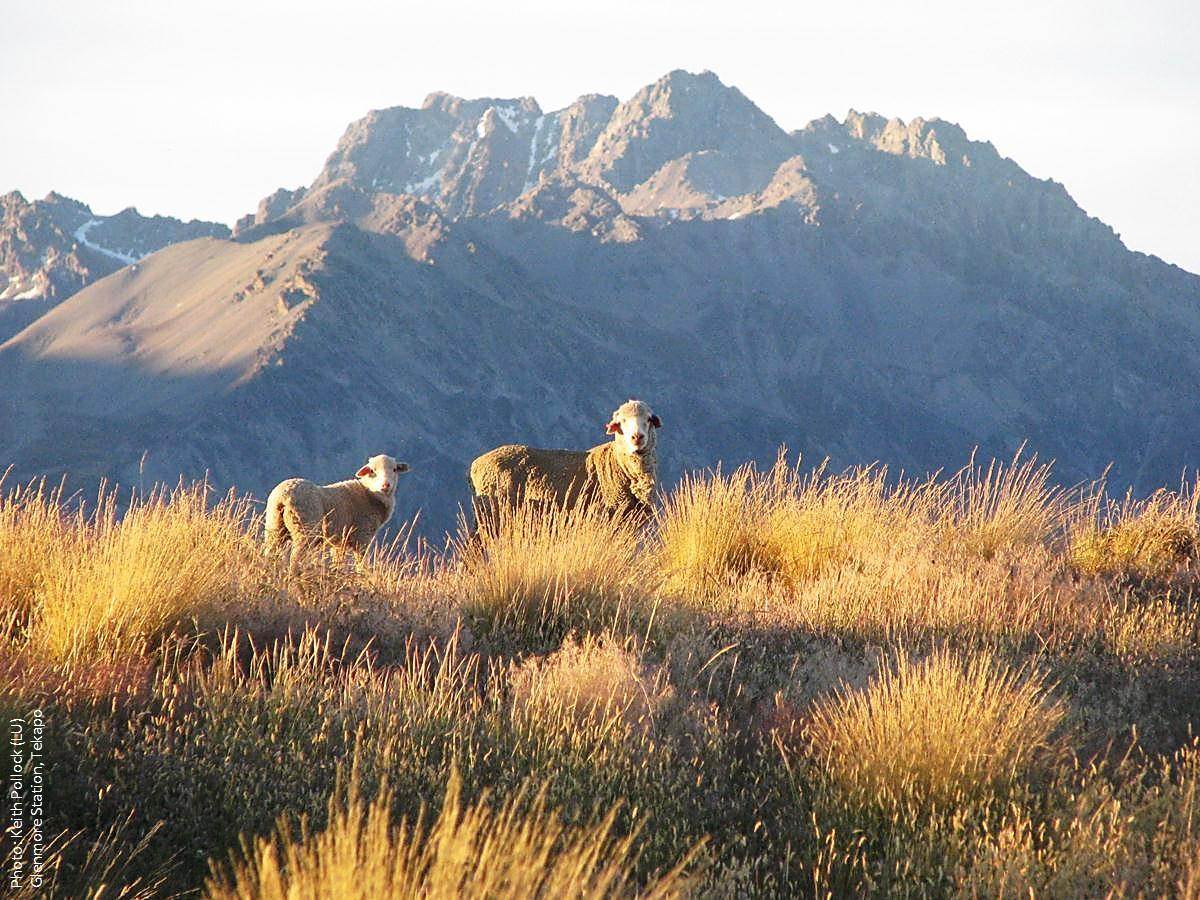
We thought you might like to know a little bit about some of our other research projects. As a result we have decided to give video blogging a go in our Merino NZ funded High Country Forage Improvement Projects. The Objective: “Survive, thrive and make money from…..” This project has seen the Dryland Pastures Team … Read more
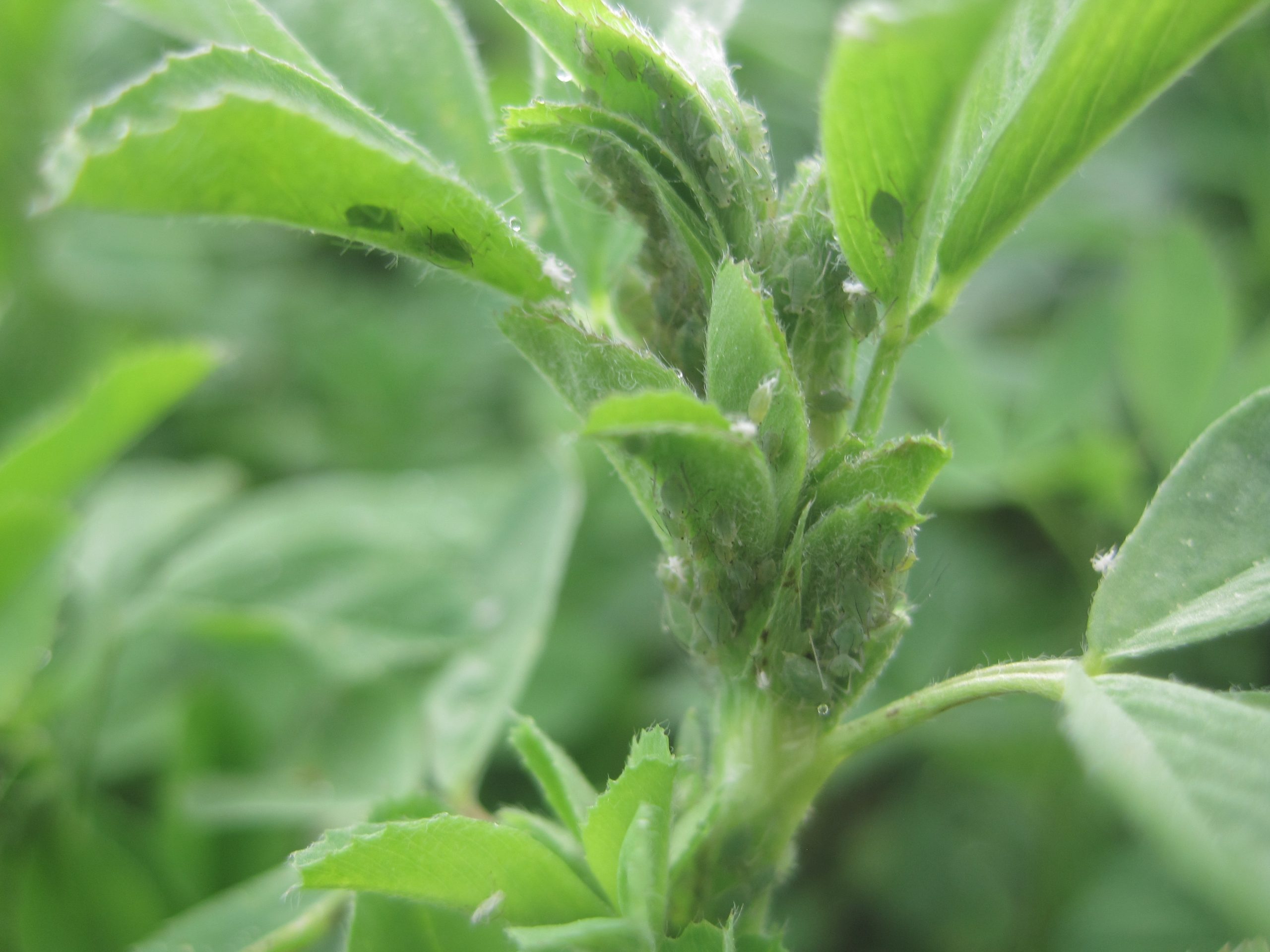
Posted on behalf of Prof. Derrick Moot After mild winters, aphid numbers can build rapidly so check stands regularly. There are at least three species of aphids that can cause problems in different weather conditions so be vigilant. Check the top of plants where the leaves are compact and emerging. If none are present sweep … Read more