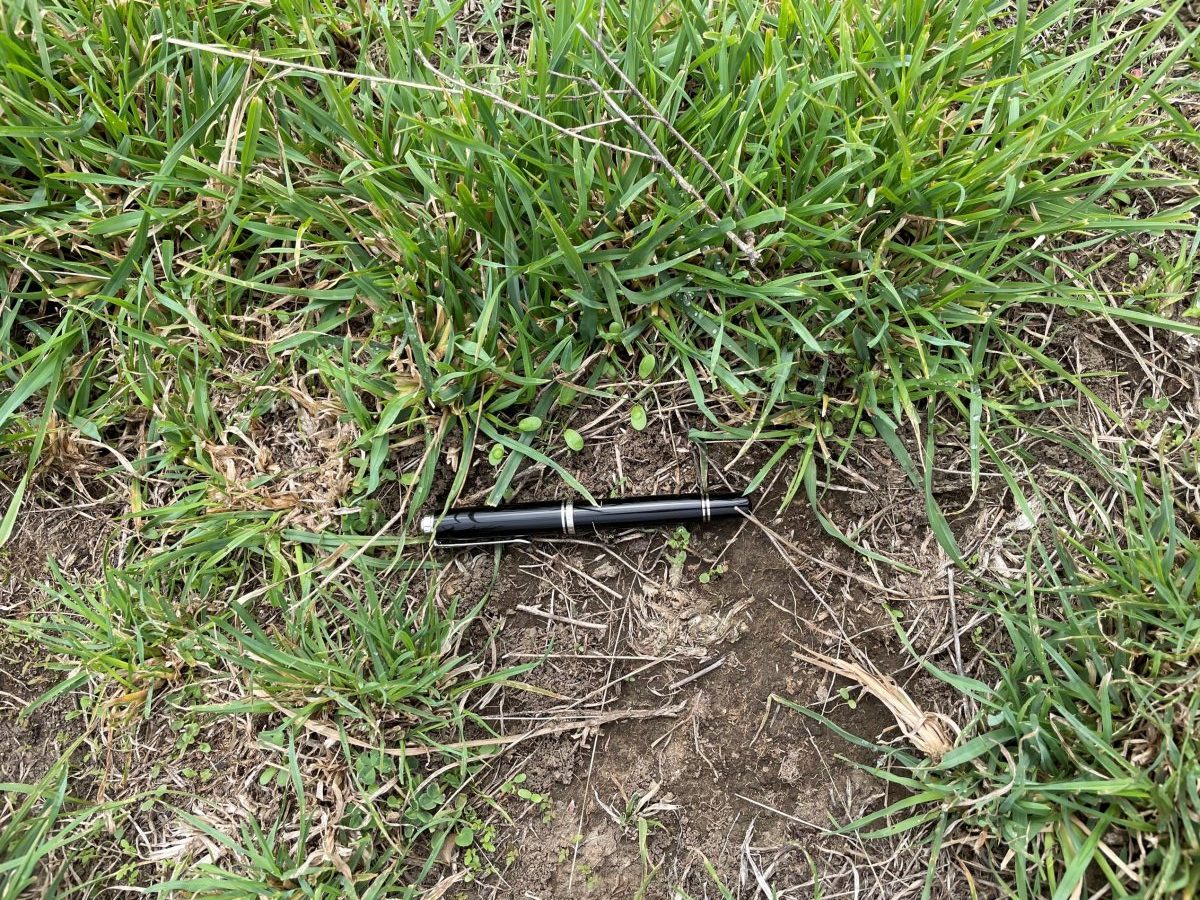
Posted on behalf of Prof Derrick Moot
For many people in rainfed East Coast regions the summer has brought higher than average rainfall. This has led to germination of sub clover seedlings – and some weeds – in typically dry pastures. Successive rainfall events can mean there are currently sub clover seedlings of different ages present in pastures.
Some seedlings have just struck and their cotyledons are showing, while others that struck earlier in summer – and would normally have died due to summer dry – have survived and now have up to 3-4 trifoliate leaves visible. For these seedlings, and those newly emerging, there is a balance between grazing the fresh grass and ensuring the sub clover seedlings survive. The key is to test the strength of the anchoring – pull on some of those larger plants and see if they break off and leave the roots anchored in the ground. If so, they should survive a light graze with a mob of hoggets or light ewes. If not, and the seedling pulls out of the ground with the root attached, then you need to wait until before a quick grazing.
The younger plants, at the emerging stage, may not survive the grazing but there will be more to come as autumn progresses with cooler nights bringing more germination through March and April. So manage the pasture for those largest seedlings – the main thing being to ensure they are not smothered by the grass. In the photo below the grass is cocksfoot, which is a great companion grass for sub clover. This pasture is over 10 years old, has little weed and a good seed bank of sub clover. This seed bank is responsible for re-establishing the sub clover population each autumn to provide high quality spring lactation feed – provided we get the grazing management right! There are lots of new seedlings in the photo and some older ones but the grass is ahead of them so a light graze once those older ones can handle it is recommended within the next 7-14 days.
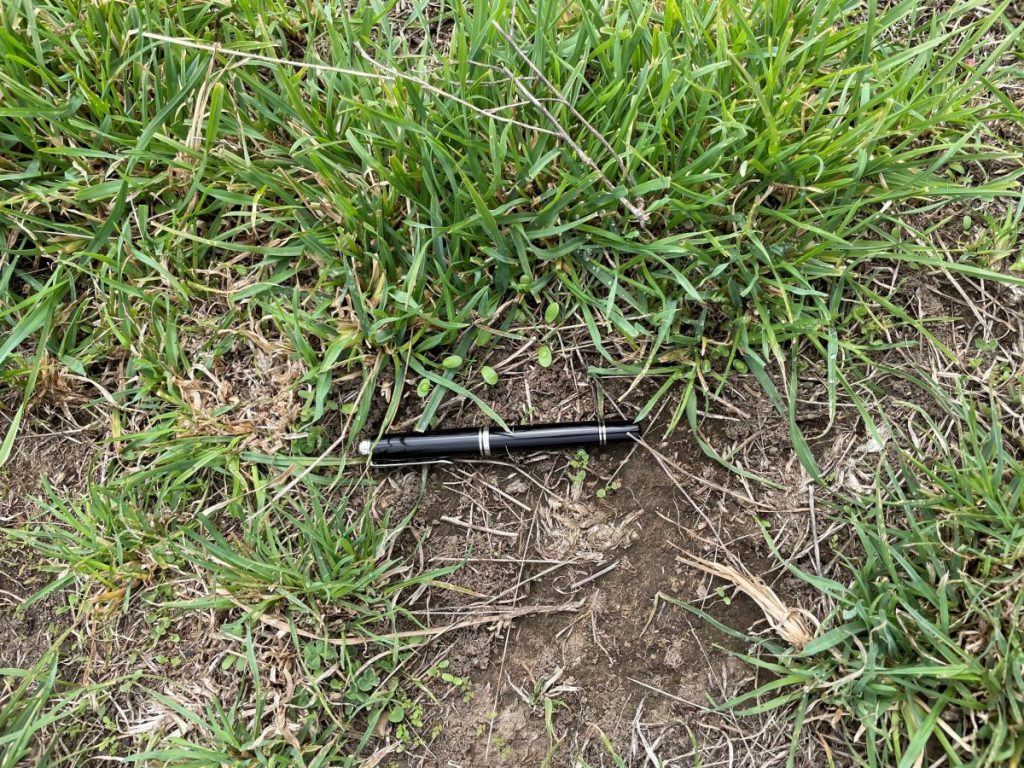
Many thanks to Andrew Johnson of Luisetti Seeds for providing the photo.
