Posted of behalf of Prof Derrick Moot
My email has been running hot the last couple of weeks with lucerne growers asking whether it is safe to mate their ewes/hoggets on lucerne this autumn. The question is moot…..the wet weather has increased the risk of the plant producing the phyto-oestrogen* coumesterol. This compound reduces the ovulation rate of ewes – they think they are already pregnant, so the number of multiple births is reduced and the scanning and lambing rate can be reduced by 30-40%. (see this handout for more info: Identifying estrogenic lucerne crops and pre-mating ewe management).
This major issue was investigated by Rachel Fields in her PhD (available here: https://hdl.handle.net/10182/8614). Many legumes produce these compounds. Red clover produces formononetin and is more dangerous than lucerne under the same conditions. White clover is also known to produce phytoestrogens, but Caucasian clover has recently been shown to be relatively free of any even when exposed to induced abiotic stresses. Right now there is an abundance of feed and we are right in the middle of mating. For one farmer his lucerne stand had regrown into an area he had put an annual crop – after thinking he had killed the lucerne – easier said than done! His region is dry even though they have had some summer rainfall, but I suspect it is dry enough that I doubt there will be an issue … but no-one can know for sure because there is no quick test…just informed debate.
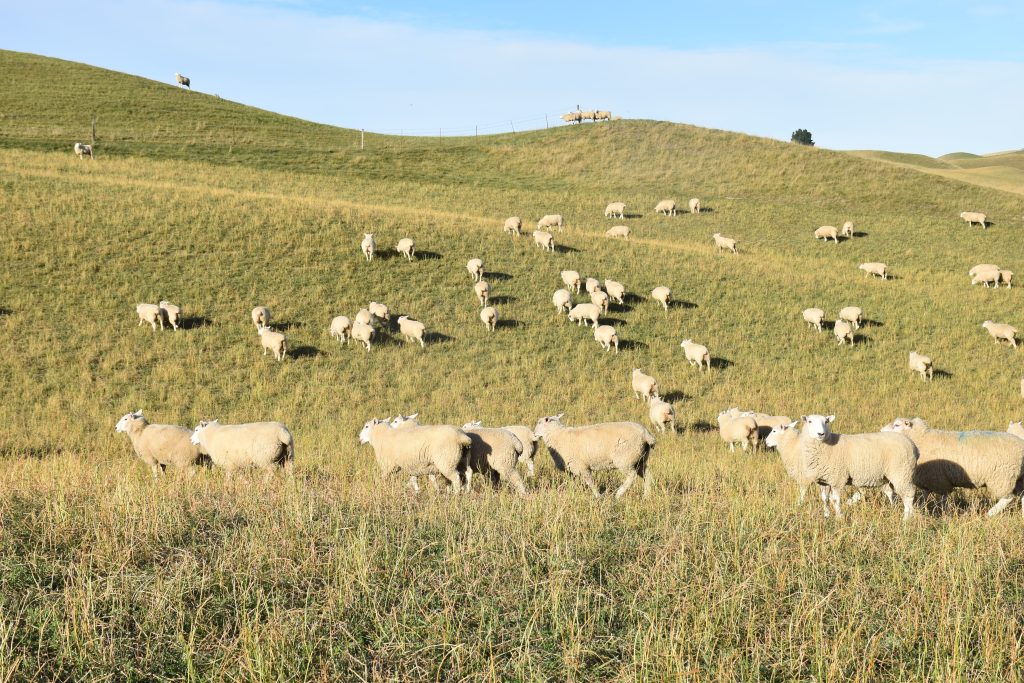
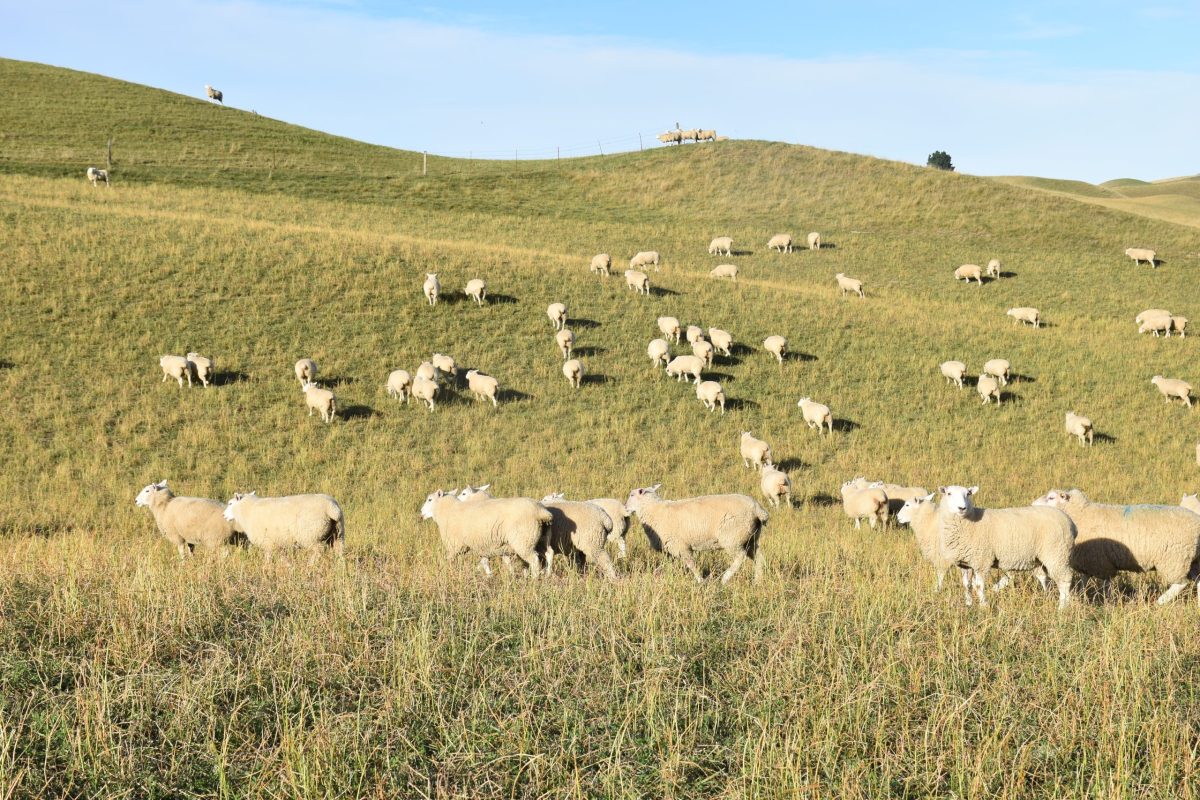
Photo: 60 kg hoggets preparing for the ram (Supplied).
The second farm has mated ewes and two tooths already, but there remain 1400 hoggets that need mating. At this property they have had 50 mm of rainfall this weekend so the risk of coumesterol is high. One of the available paddocks is newly sown and showing lush vegetative regrowth. This one I would avoid. However, the rest of the lucerne may also be a problem if the rain persists because it will stimulate growth and canopy closure. Rachel showed that the stage of lucerne development was not a problem, nor was insect damage or defoliation – it was the mostly about humidity. So, without being able to definitively say what to do, I suggested not mating on 1 of the 3 lucerne stands … and maybe not even the other two if the rain sticks around for a couple of days, with high humidity stimulating coumestrol production being the main problem.
In that case, the hoggets are 60 kg which means they are in great condition and could realistically go close to 100% lambing. In most cases you need the hoggets to be at least 60% of the mixed age ewe weight to mate them. Any smaller and abortion becomes an issue and they also become small two tooths destined to be poor Mums. The appeal of mating hoggets is that you don’t have to wait a full year before they become productive animals. It also reduces the number of ewes you need to carry which reduces the animal health costs, but you must be able to feed them as young Mums. With the price of lamb predicted to be staying high for next season getting as many lambs conceived as possible is a key to profitability, provided the coumesterol doesn’t stop conception, and that depends on how much rainfall occurs and the number of days above 90% relative humidity at 9.00am.
Rachel’s work suggests the levels of coumesterol are only safe when there is less than 61 mm of rainfall over the regrowth period and fewer than 6 days when RH is 95% or higher at 9.00 am. The issue now is getting accurate weather records to make predictions for different regions. Unfortunately, I suspect the coumesterol levels in lucerne may all be too high too mate on by the end of this week, especially if the predicted autumn rain continues. This will cause headaches for the farmer to find other paddocks to mate on. However, after mating the pregnant hoggets can go back on the lucerne and we then all hold our breath waiting for scanning, while hoping natures hormone replacement therapy hasn’t reduced ovulation.
- “Phyto-estrogens” = “leaf oestrogen”
