High Country Lucerne Development Field Day – Thursday 28 July

Upcoming Field Day: High Country Lucerne Development Where: Flock Hill Station, Arthurs Pass … Read more
Upcoming Field Day: High Country Lucerne Development Where: Flock Hill Station, Arthurs Pass … Read more
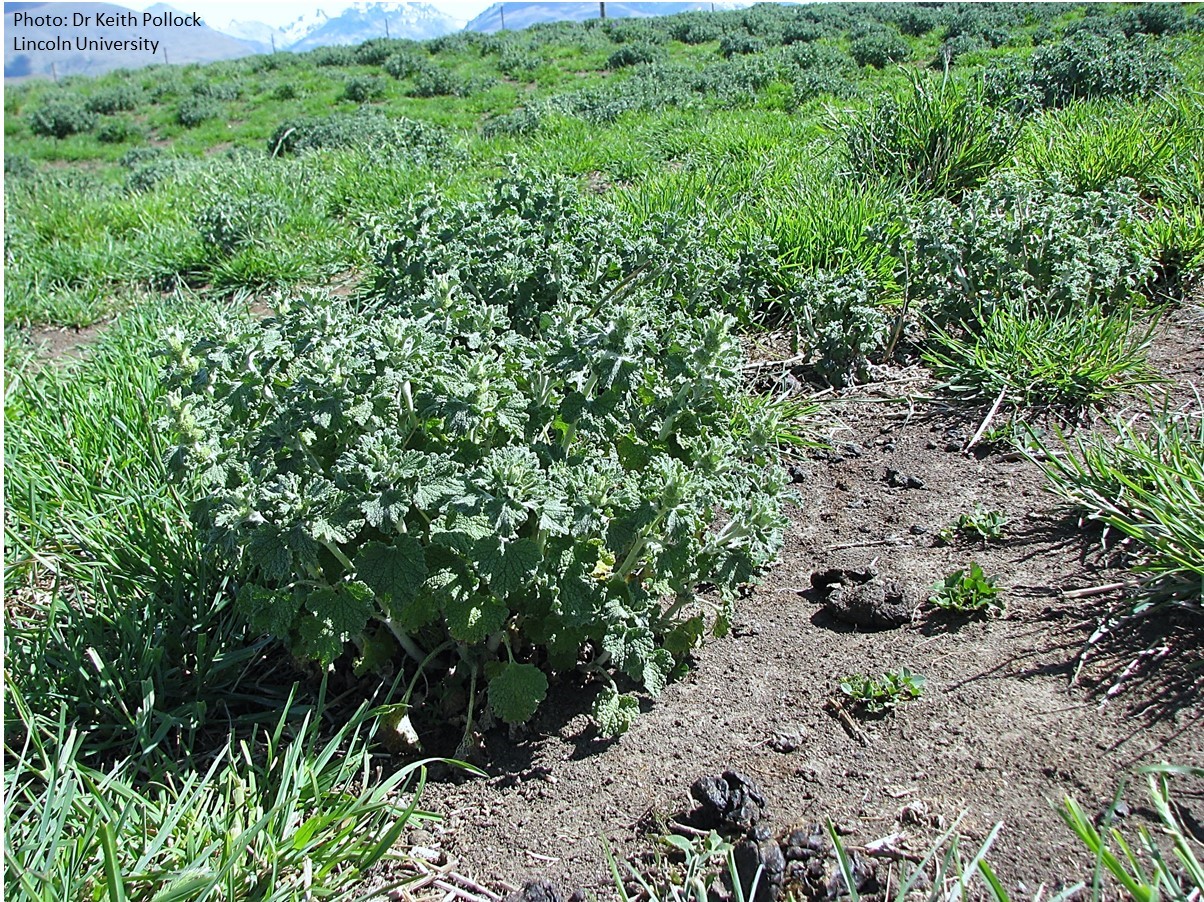
The Horehound Biocontrol Group is seeking input about the magnitude of horehound problem, especially in Lucerne. With lucerne growing more widespread and already occupying over 150,000 ha, we notice horehound (Marrubium vulgare) is rearing its head as one of the worst weeds in lucerne stands, especially on extensive properties with ridges and areas with difficult … Read more
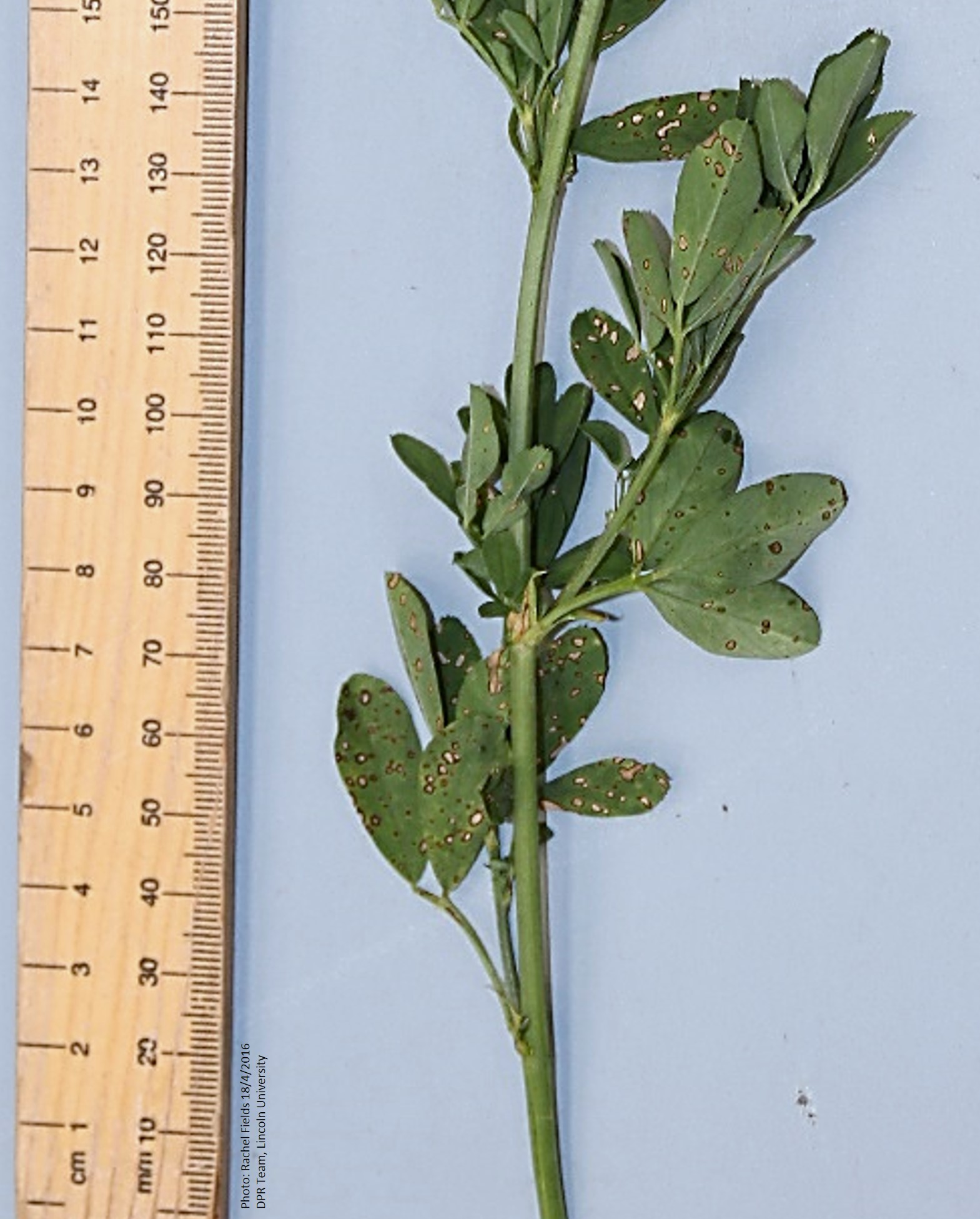
Dryland Pastures Research team leader Derrick Moot talks with PhD candidate Rachel Fields about her experiments which are investigating the cause of high phytoestrogen content in lucerne herbage and its impact on ewe ovulation rates when grazed (approx. 5 mins).
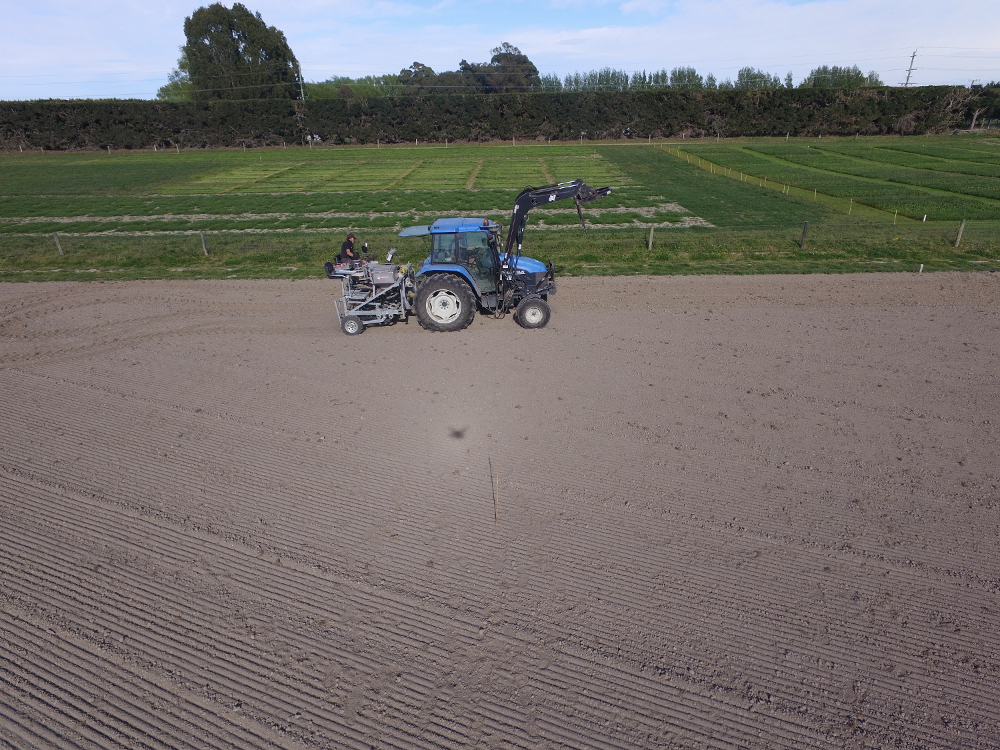
In this clip Derrick Moot and Ag Sci Hons student Grace Clouston of the Dryland Pastures Research Team discuss the status of a irrigated lucerne cultivar evaluation that was sown on 21 October 2016 (approx 2 mins).
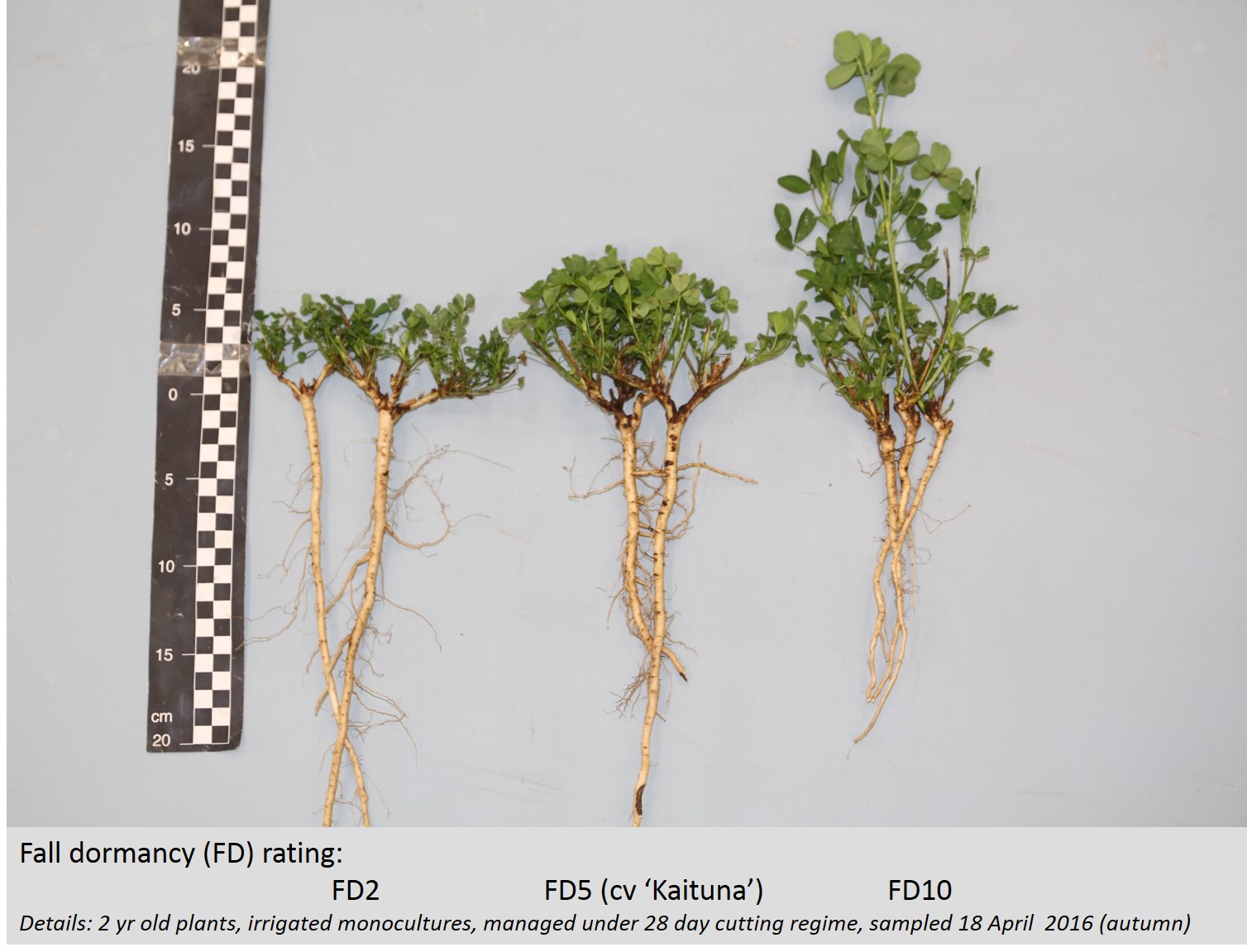
Hi there, Derrick was told the other day that it has been a while since we put up any new posts (sorry about that!) so on Monday we headed out to the field with some of the postgraduate students working within the Dryland Pastures Research Team. We thought we’d take introduce you to some of … Read more
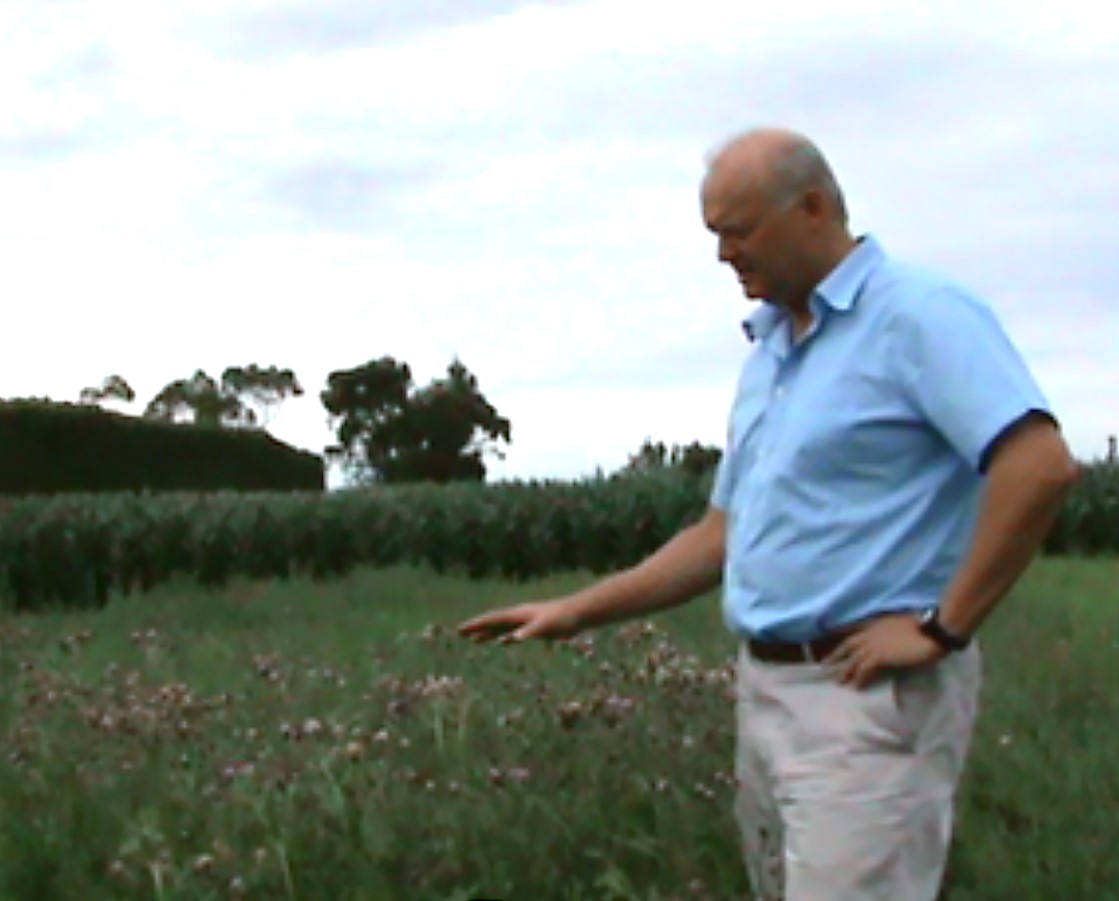
These videos, taken on 25 Jan, we look at the state of a newly established – spring sown – dryland lucerne stand. In the first video Derrick discusses the state of the young lucerne at about 80-90 days after sowing as we prepare for the first graze/cut now flower buds are visible. There is also … Read more
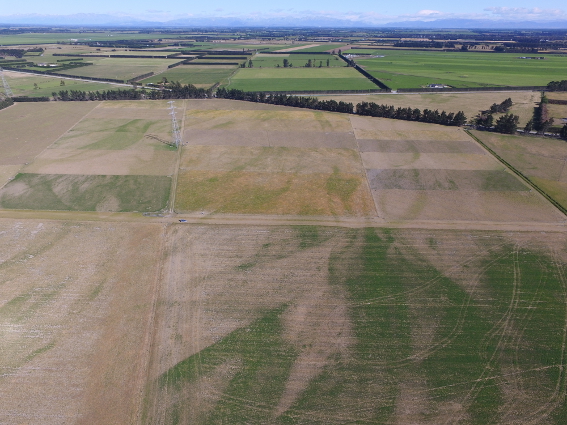
In this video Prof Derrick Moot discusses the differences between established and establishing lucerne stands in relation to the rate at which the roots explore and exploit water stored in the soil. Known as the extraction front velocity (EFV) this is a measure in millimeters of soil per day that the plant roots access to … Read more
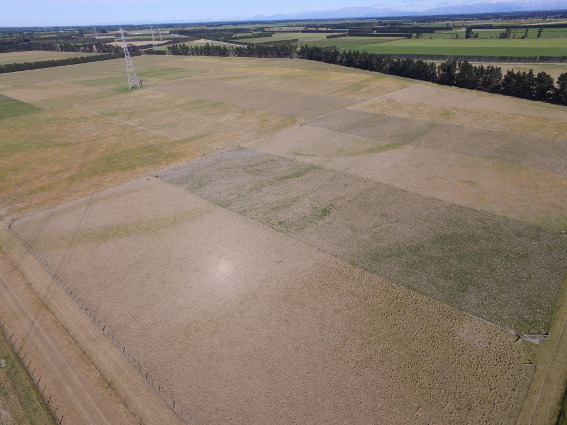
A dry spring in Canterbury has resulted in our dryland pastures at Ashley Dene being destocked on 25 Nov. Spring rainfall of 78 mm is only about half that expected in an average year and pasture growth has now ceased. In this video Derrick Moot discusses grazing mangement of lucerne in the spring period and … Read more
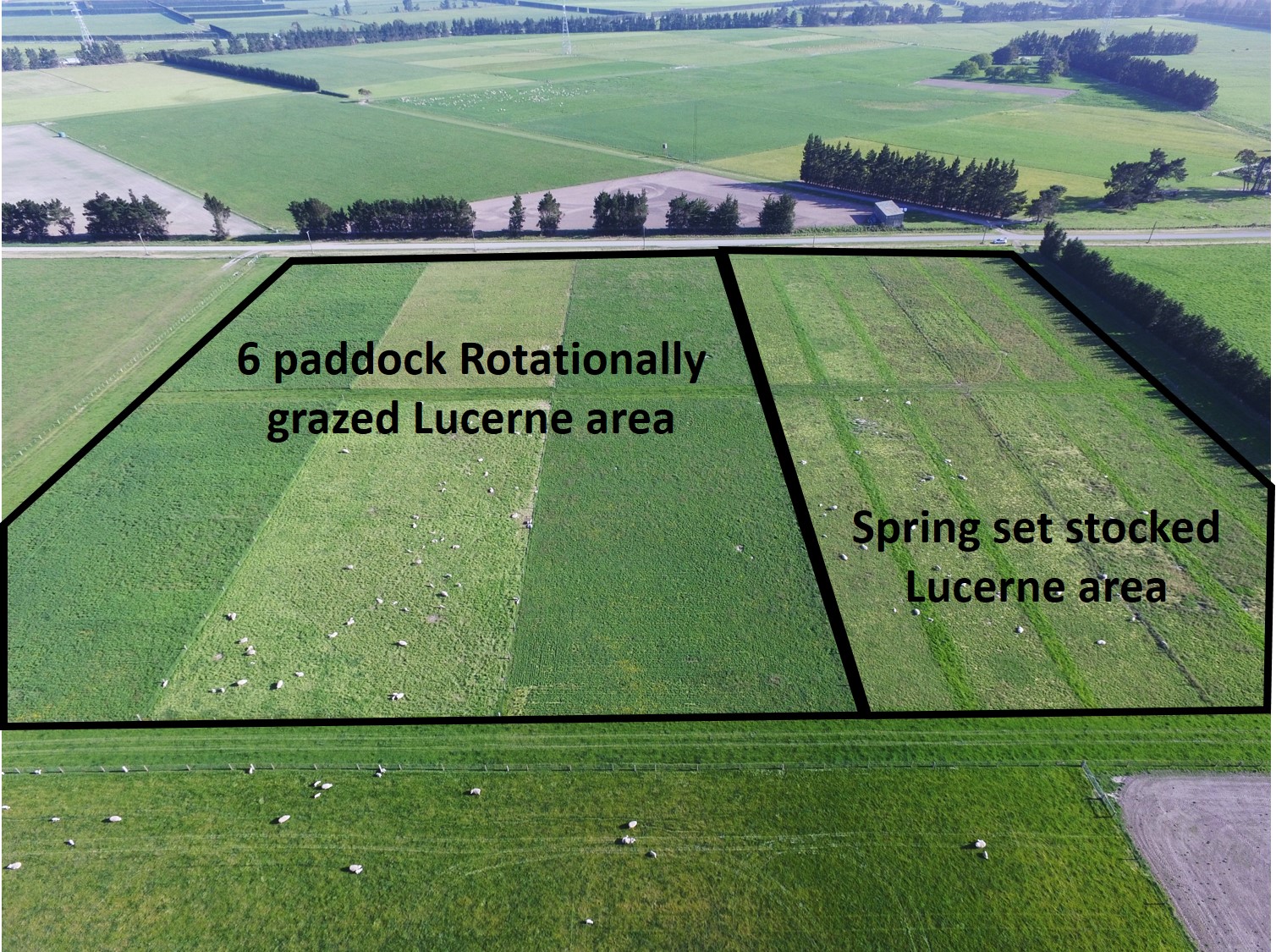
In this video, taken on 9 October at Ashley Dene, Derrick Moot describes in more detail the management we applied to the spring set stocked lucerne treatment for research purposes in order to develop appropriate on-farm guidelines. Weed control and the invasion of the problematic perennial tap-rooted and rhizomatous weeds which indicate the stand is … Read more
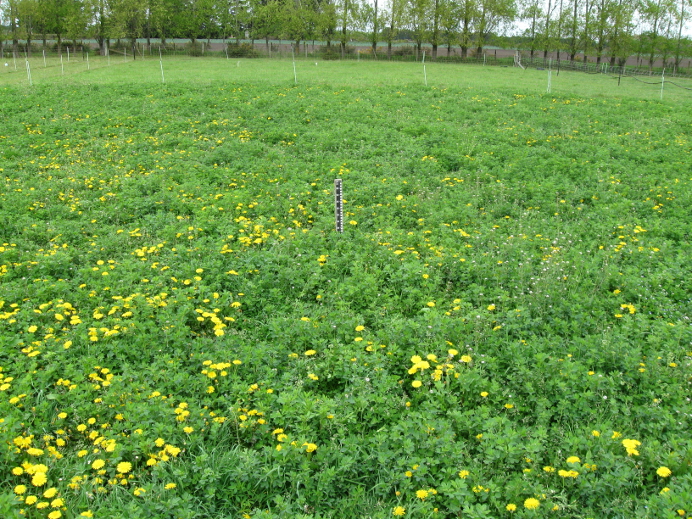
As a follow up to our last blog post on how to successfully implement a set stocking phase in you lucerne grazing system we thought we should show you what will happens if the stand is set stocked with either too many stock and/or for too long in spring. Basically, for research purposes, we’ve halved … Read more